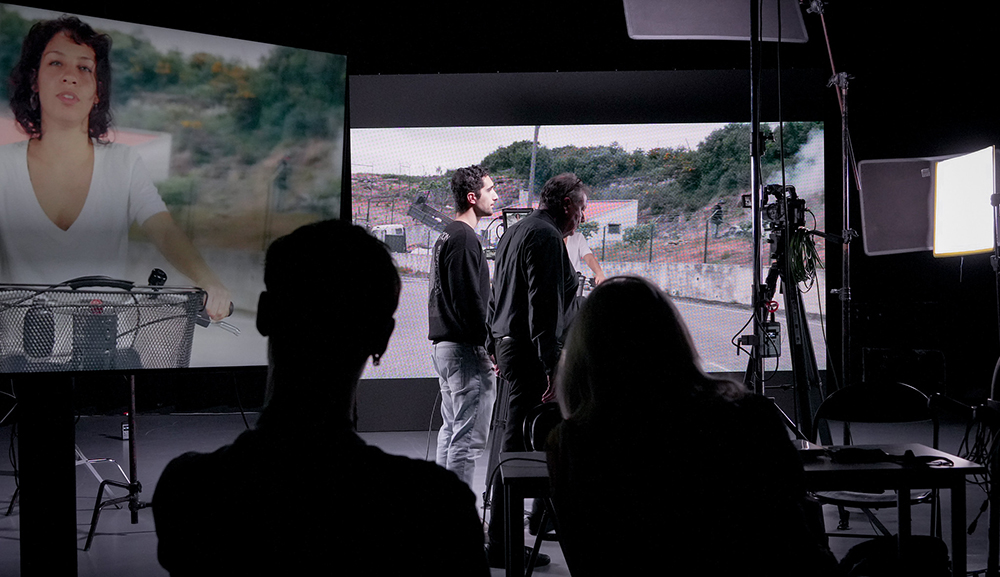
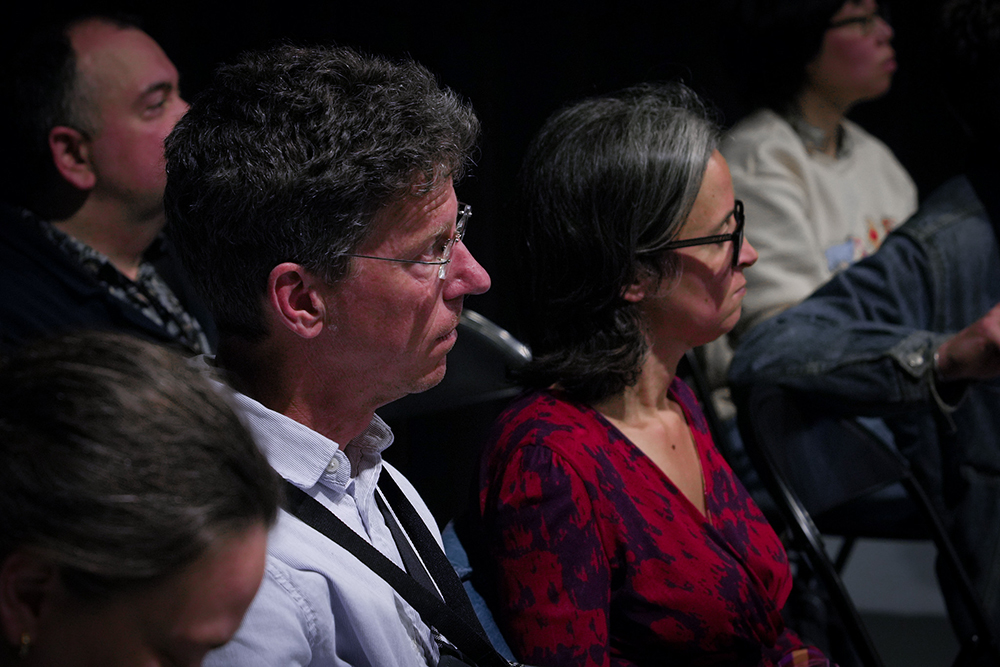
On 16 April, Universidade Lusófona hosted the live launch of the Virtual Production Lab at Studio F in Lisbon, Portugal, as part of WIRE. The event brought together 31 members from eight WIRE Partners, among researchers, students and staff, and gave them a clear conceptual map of the virtual production ecosystem, together with research directions they can adapt to their own projects.
The lab is centred in Studio F (also known as the Eduardo Serra Studio), a newly adapted soundstage built for real-time filmmaking and In-Camera Visual Effects. Its core infrastructure includes a 9×4-metre LED wall that displays real-time digital environments behind physical sets and actors, high-performance systems running real-time engines such as Unreal Engine, a “Brain Bar” control workflow, and camera-tracking hardware that syncs the physical camera with the virtual perspective on the wall. Within WIRE, the lab serves as a research platform for artistic and technological inquiry into virtual production, and is bookable by students and researchers of all WIRE Partners.
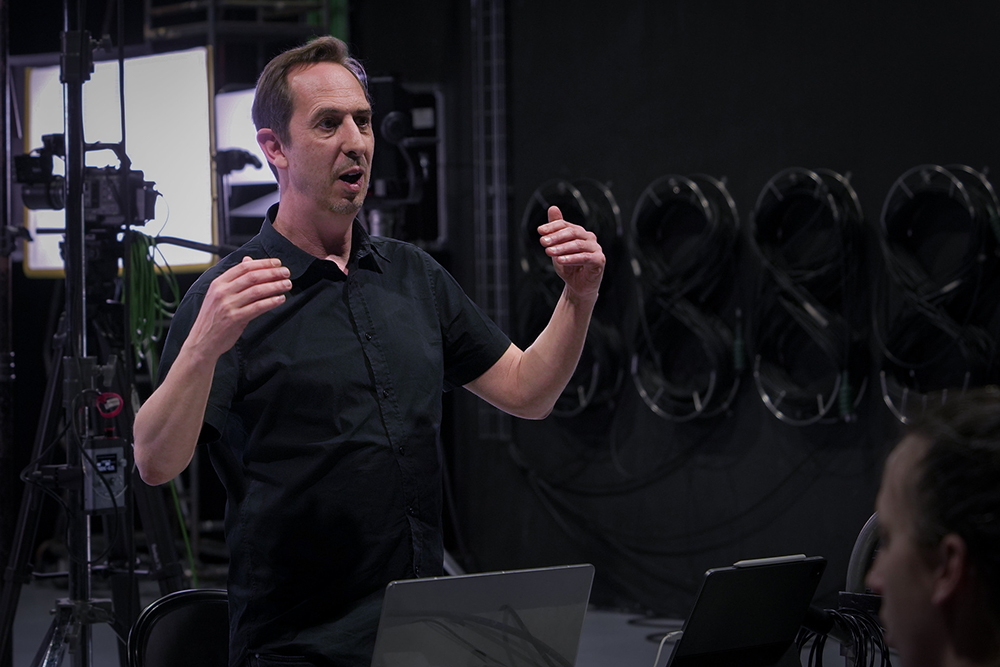
The launch was followed by a hands-on Collegium workshop on Virtual Production. Led by Filipe Vale, a Film Editing and Film Language lecturer at Lusófona, António Costa, Cinematographer, and David Stump, Cinematographer and Visual Effects specialist, the two-part session introduced participants to the studio environment and explained what each component does, how they connect as a single real-time pipeline, and what changes when images are created live on set rather than in post-production.
The workshop covered three main themes: the real-time studio pipeline connecting the LED wall, camera tracking, Brain Bar and Unreal Engine; artistic research, including new relationships between performance, cinematography, space and lighting; and technological inquiry, including calibration, real-time rendering, colour management, latency and workflow design.